
Article
Graphic Design Trends for 2026: Where AI Meets Human Creativity
Discover the 12 most impactful graphic design trends for 2026, from naive imperfection to AI-assisted workflows, where human creativity meets cutting-edge technology.
.webp)
Discover the 12 most impactful graphic design trends for 2026, from naive imperfection to AI-assisted workflows, where human creativity meets cutting-edge technology.
As we navigate 2026, the graphic design landscape is experiencing a fascinating shift—a creative rebellion where designers are pushing back against AI-generated perfection in favor of raw authenticity, human imperfection, and bold personality. This year isn't about choosing between technology and tradition; it's about harnessing both to create work that feels relevant, resilient, and refreshingly real.
Brand managers, creative directors, marketing teams, and designers can all benefit from understanding these trends. They represent more than aesthetic choices—they signal fundamental shifts in how we communicate visually and connect emotionally with audiences in an increasingly digital world.
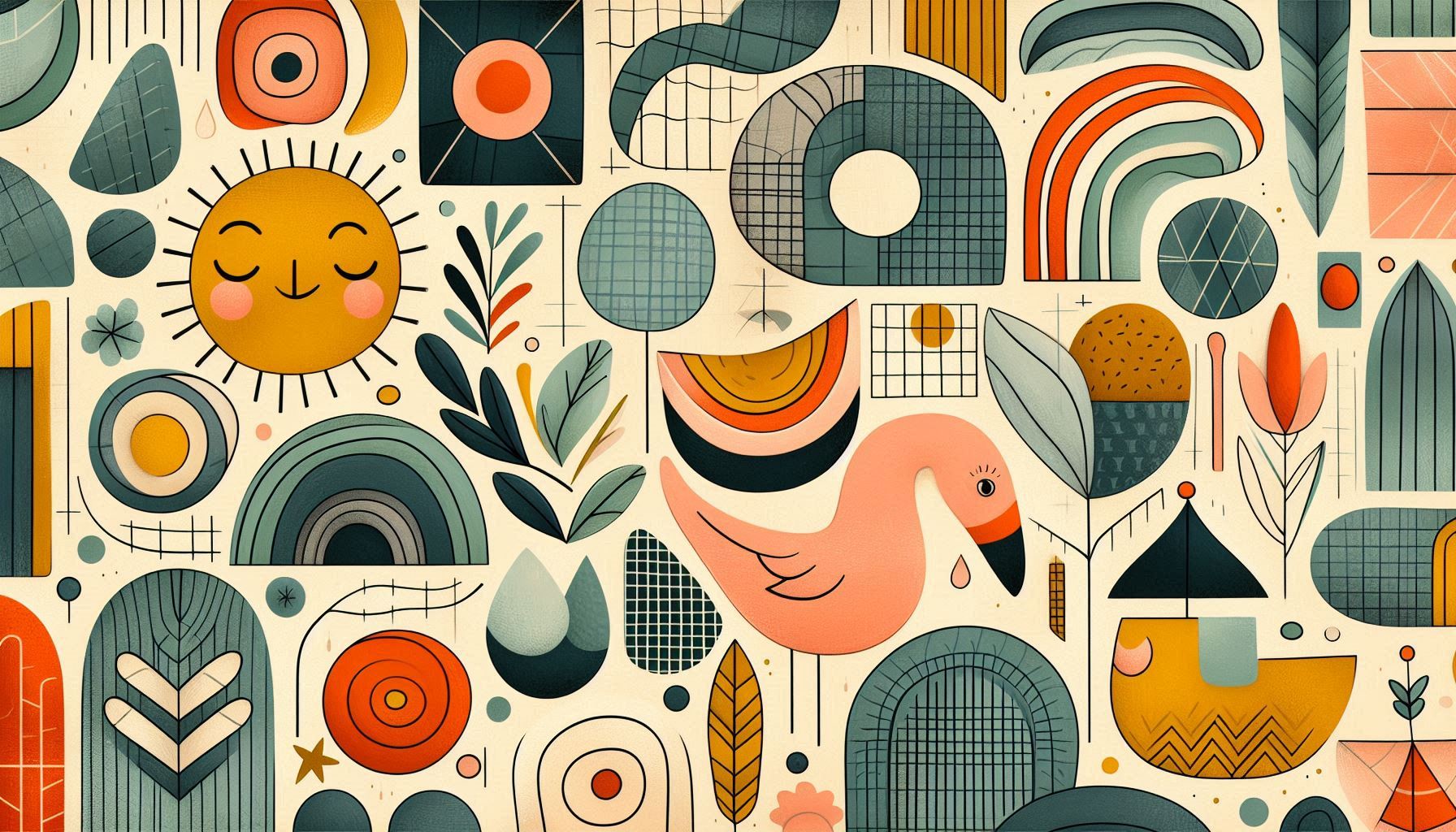
After years of AI-smooth perfection and over-polished branding, people are craving proof that a human made this. Kittl's 2026 Design Trends Report reveals that naive design—childlike, imperfect, and unmistakably human—is taking center stage.
This trend features wobbly lines, hand-drawn illustrations, uneven lettering, and compositions that look spontaneous rather than calculated. But make no mistake: naive design means knowing the rules of good design and bending them with skill and confidence. The result is work that feels genuine, lively, and full of character.
Create your own hand-drawn designs with DesignBee's intuitive editor and embrace the beauty of imperfection.
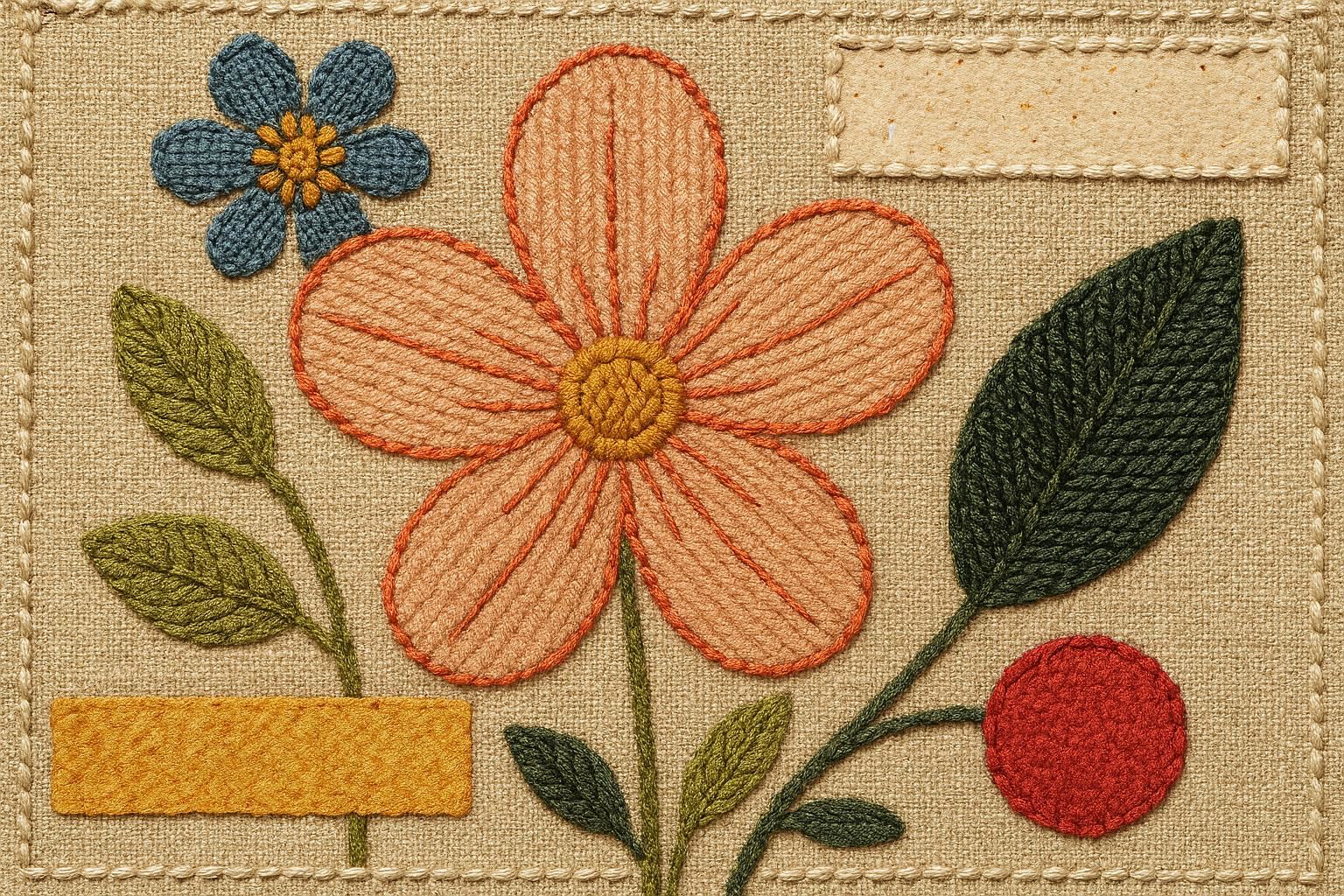
As Creative Bloq reports, designers are deliberately rejecting AI's hyper-polished aesthetic in favor of work that feels unmistakably handmade. This anti-AI crafting movement celebrates hand-built sets, stitched textures, analog surfaces, physical collage, ink, fabric, and clay.
According to VistaPrint's analysis, tactile craft includes digitally created embroidery, stitching effects, fabric textures mimicking felt or wool, paper cutouts with glued edges, and patchwork compositions. These elements create depth and warmth that algorithms struggle to replicate authentically.
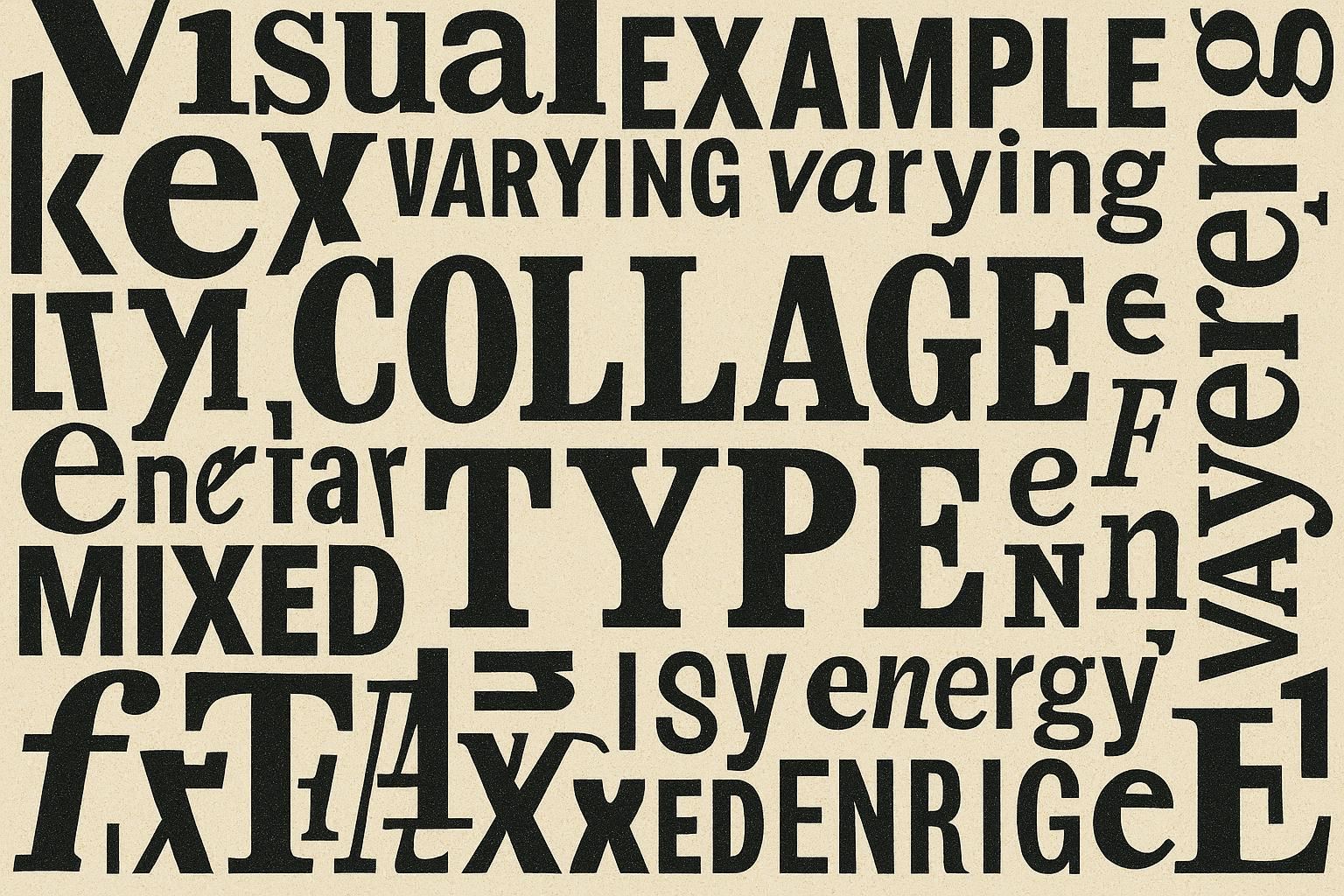
Typography in 2026 isn't sitting quietly in the background. Type collage blends multiple fonts, sizes, and styles to create instant visual energy. This bold approach sets the mood before a single word is read.
Expect oversized sans-serifs, bubbly puffy letterforms, wavy distorted fonts, and handwritten scripts. As Adobe's Creative Trends Forecast notes, typography is leaning toward excess and the absurd, offering that personal touch brands crave.
Experiment with bold typography combinations using DesignBee's powerful text tools.
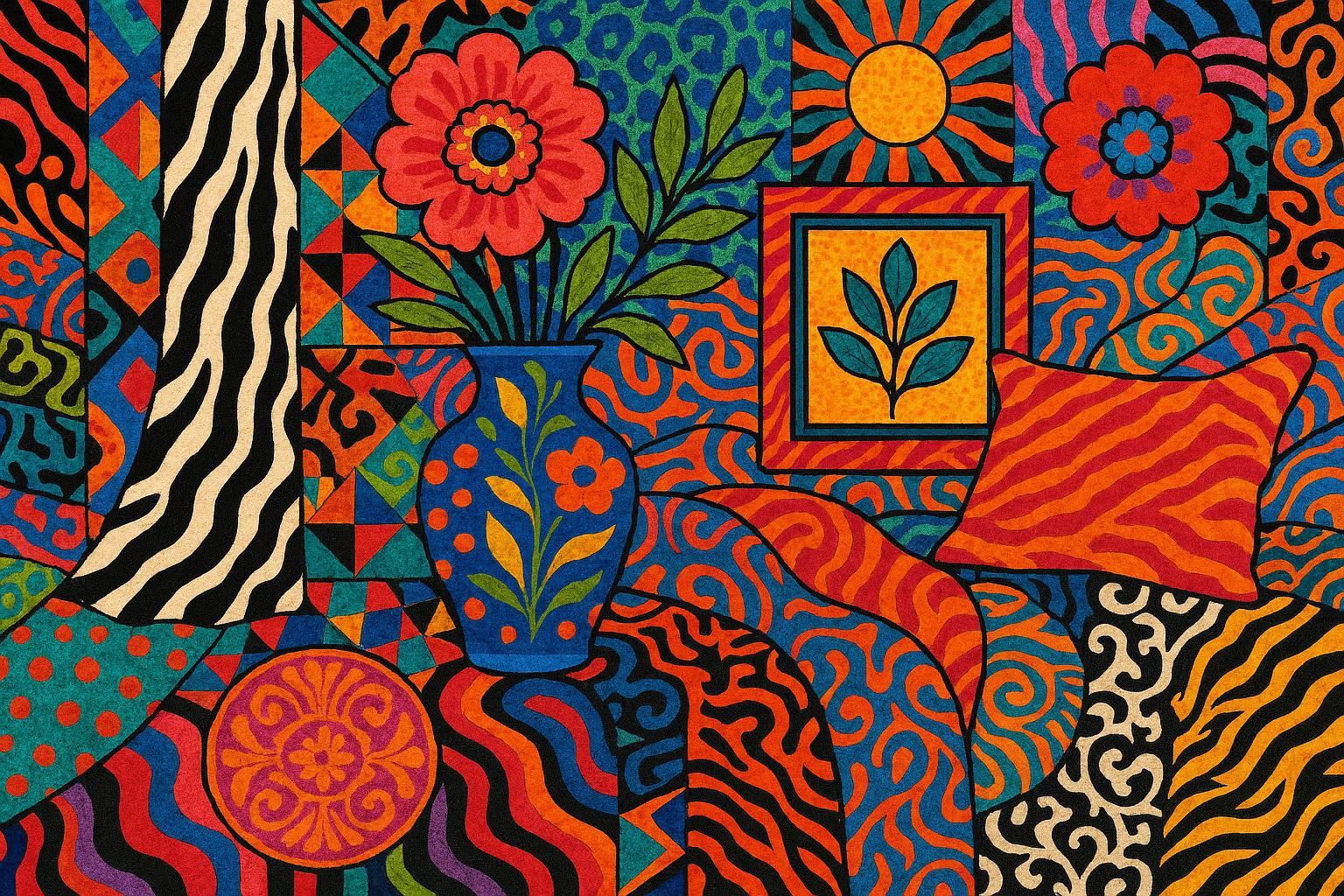
Minimalism had its moment, but 2026 is ready to get messy again. Envato reports that chaos packaging (brand maximalism) is loud, layered, and unapologetically full of personality.
This trend embraces clashing colors, playful type, hand-drawn illustrations, and collage-style layouts that feel alive. It borrows from the anti-design movement of the 1990s, where rules were made to be broken and "too much" was the whole point. Searches for modern bold fonts are up 65.7%, proving this aesthetic resonates.
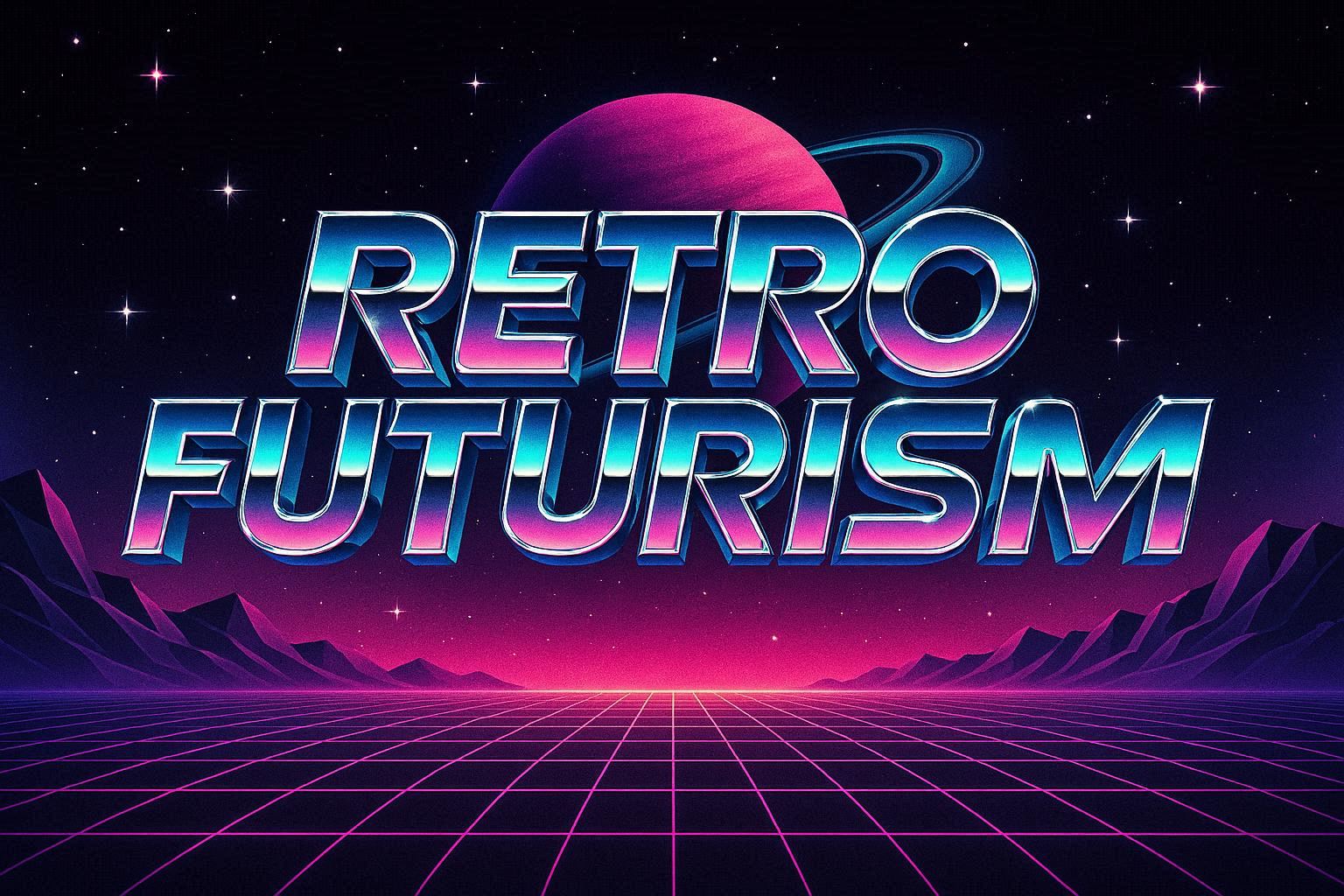
Retro futurism is the ultimate mashup of nostalgia and next-gen imagination. This trend merges mid-century Space Age optimism with futuristic shine—chrome textures, sci-fi typography, and color palettes blending cosmic neons with soft pastels.
According to Envato's trend analysis, searches for 80s-inspired content have jumped over 80% in recent months. This proves retro references are driving modern creativity, offering designers a way to tap into both our soft spot for the past and our obsession with what's next.
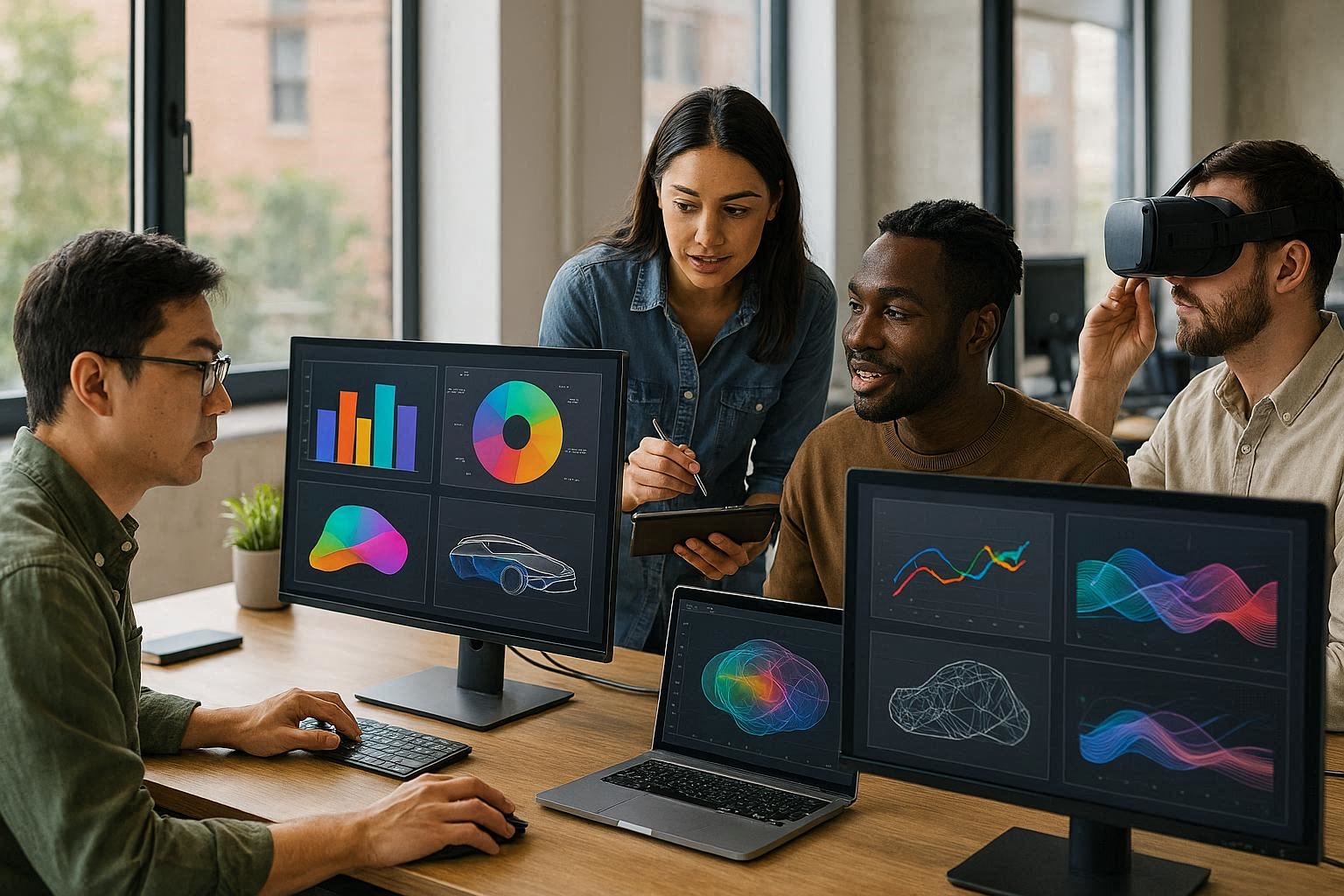
AI isn't replacing designers—it's becoming a powerful creative partner. Really Good Designs reports that in 2026, AI is part of every design stage, from brainstorming ideas to creating layouts and brand identities.
The key is using AI thoughtfully. Humans guide the direction and make final creative choices while AI accelerates exploration and iteration. This collaboration amplifies originality when designers use technology as a tool rather than a replacement.
Leverage AI-enhanced design capabilities at DesignBee to speed up your creative process.
Creative Bloq emphasizes that motion design is no longer optional—it's fundamental. Brands now expect visuals that react, evolve, and feel alive through gradients, 3D elements, blurred typography, and tactile illustration textures.
Logos, typography, and graphic systems are conceived with movement in mind, allowing brands to communicate rhythm, personality, and responsiveness. Even minimal animation contributes to presence in increasingly screen-based interactions.
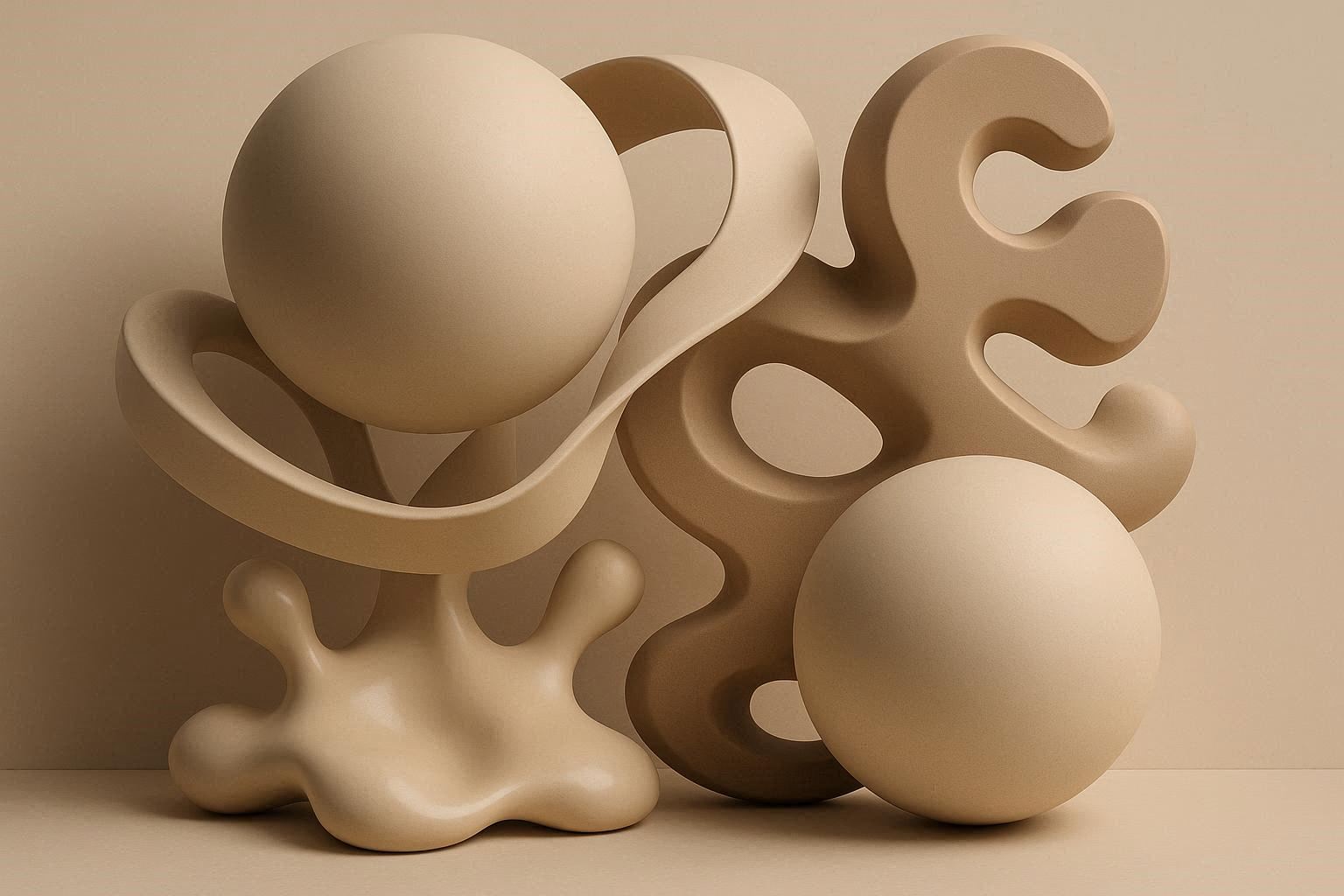
2026 favors bold, sculptural 3D elements that instantly demand attention. Designers are using oversized spheres, warped ribbons, and liquid-metal shapes to break up layouts and inject energy.
These surreal, abstract forms don't have to "mean" anything—they exist to add depth and modernity. Industry analysis shows these elements appearing in hero sections, posters, and social campaign graphics, often animated to interact as users scroll or move their cursor.
The scrapbook aesthetic is the antidote to sterile, over-produced content. Envato's data shows searches for "ripped paper" and "handmade texture" continue growing, reflecting a creative appetite for authenticity.
This trend features overlapping layers, visible imperfections, mixed media (photos, doodles, stamps, brush textures), and compositions that feel collected rather than composed. Each element feels found, making designs more personal and relatable.
Create layered collage designs effortlessly with DesignBee's design tools.

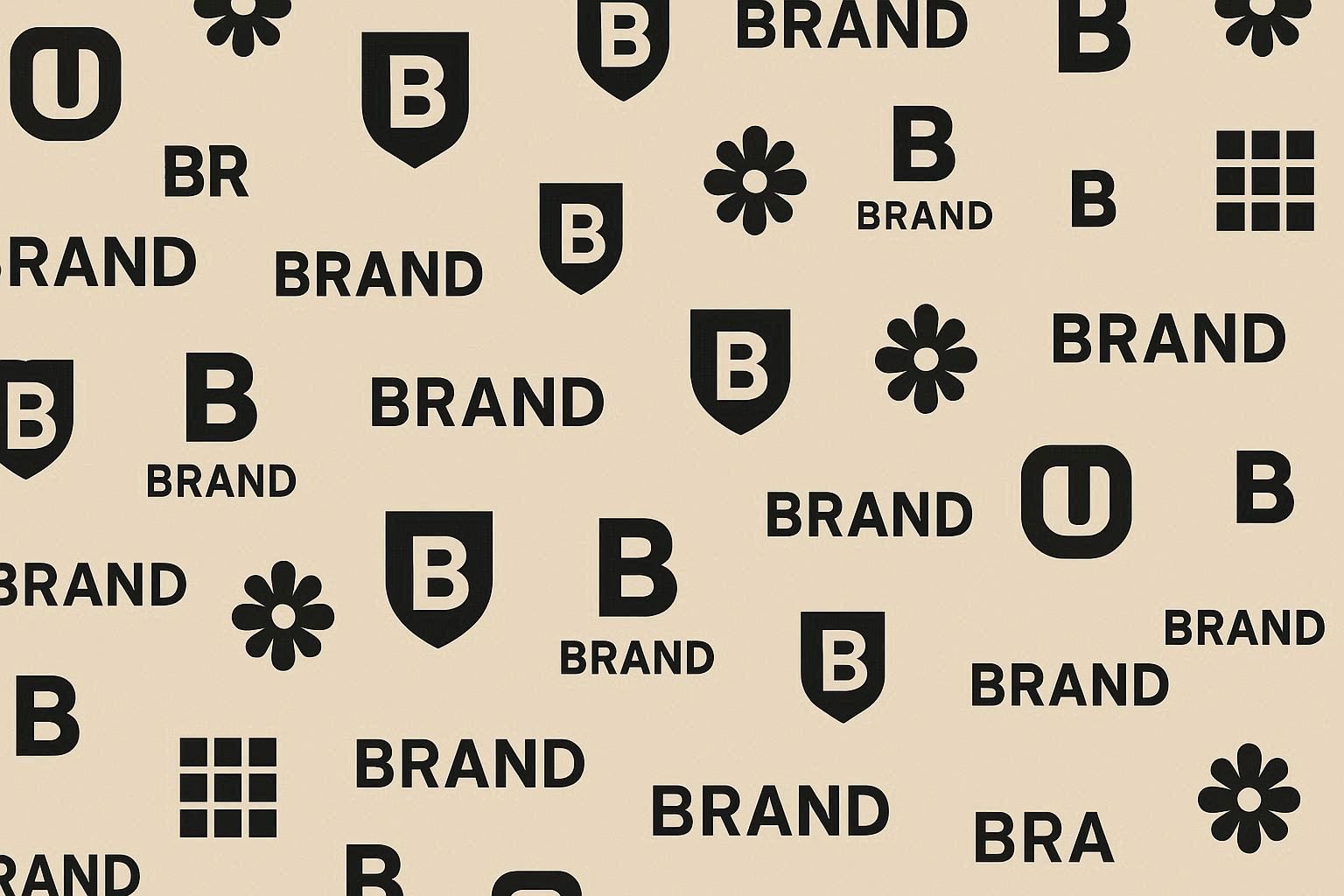
Jukebox Print identifies custom patterns as a major trend—not as background filler, but as full-fledged brand elements. Designers are transforming logos, icons, and visual shapes into repeatable motifs that feel distinctly ownable.
These brand-specific patterns extend personality across every touchpoint, from packaging and social posts to entire environments. The power lies in consistency without repetition—each pattern feels instantly recognizable while allowing creative variation.
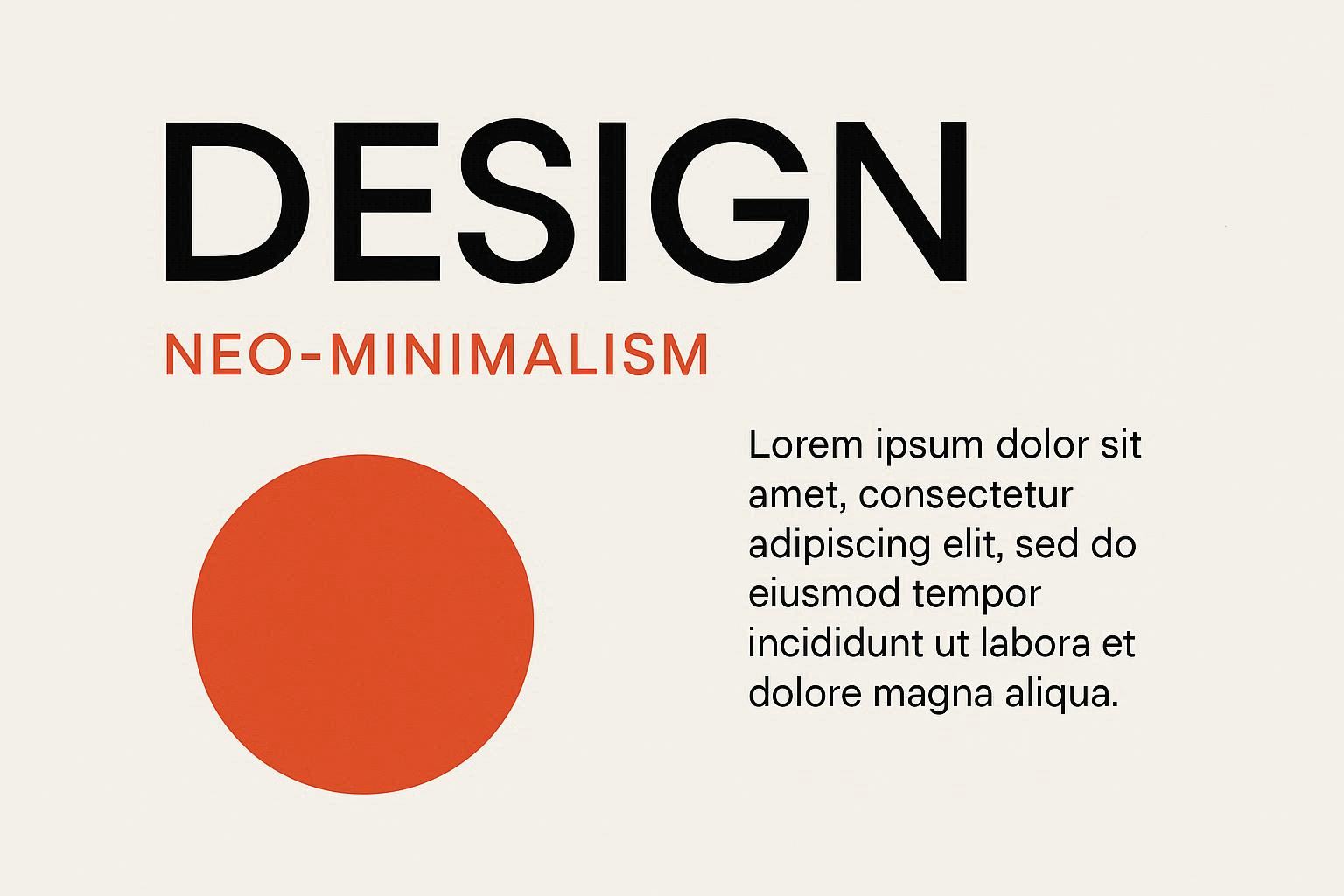
For committed minimalists, there's good news: you don't have to abandon clean aesthetics to stay relevant. Neo-minimalism refines simplicity with subtle personality touches—strategic color accents, refined typography, generous whitespace with purpose, and understated textures.
According to Digital Synopsis, this approach prioritizes clarity and impact over ornament, creating visuals that feel confident yet approachable.
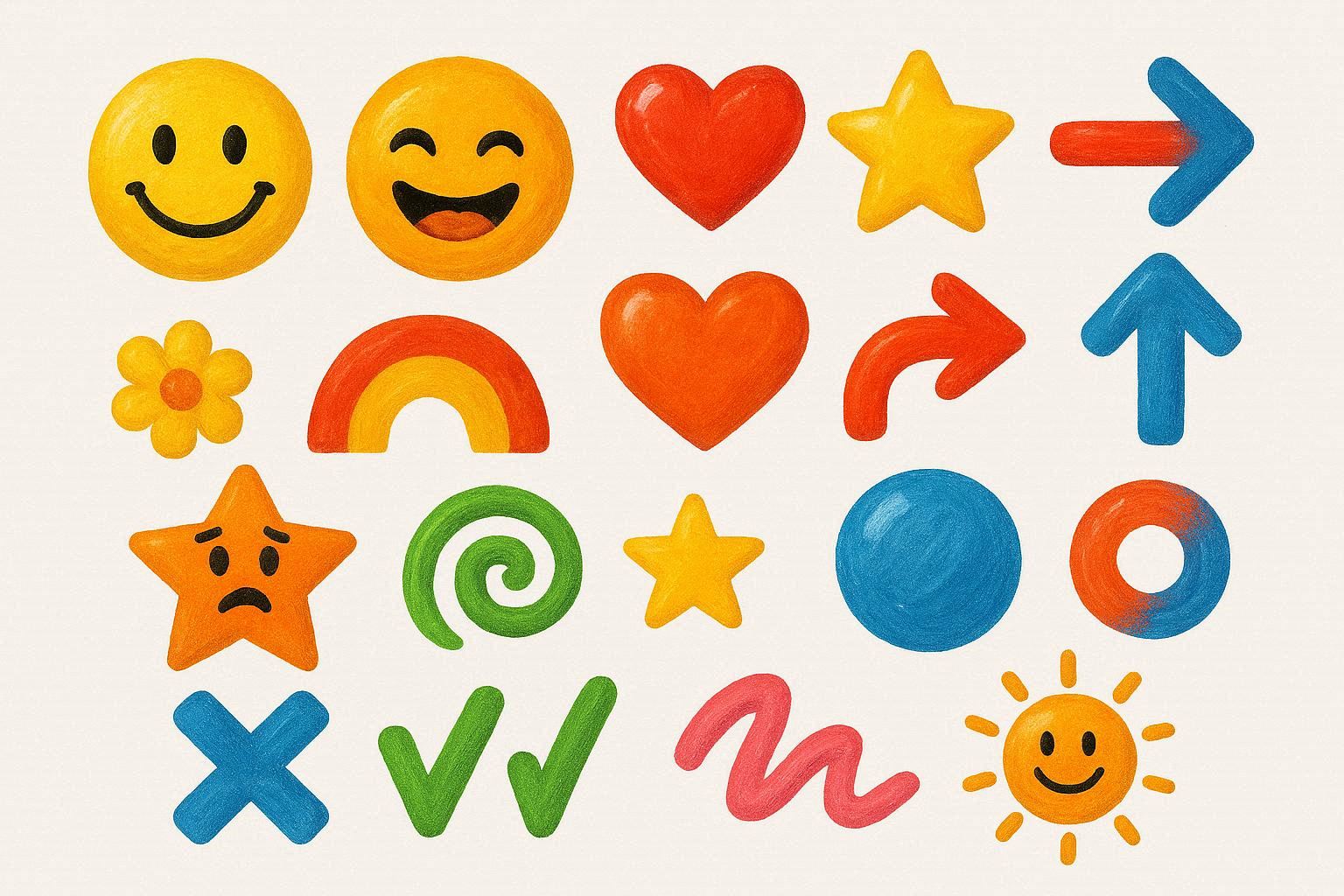
Design analysis shows that while flat icons remain practical, designers are exploring illustrated and expressive icon styles that add depth and emotion.
The illustrated icon style from the early internet era (Yahoo, MSN) is returning, reimagined with modern craft. These icons feel alive, colorful, and human—transforming into visual storytelling tools that convey personality and intention.
The graphic design trends of 2026 share a common thread: the deliberate celebration of human creativity in an AI-driven world. From naive imperfection to tactile craft, from chaotic maximalism to refined minimalism, these trends prove that technology and humanity aren't opposites—they're collaborators.
As Canva's trend forecast declares, 2026 is the Year of Imperfect by Design. Creators are becoming unbothered by perfection, embracing the human imperfections that make work personal, raw, and honest.
The most successful designers in 2026 won't be those creating the most technically perfect imagery. They'll be those creating work that makes people stop, feel something, and remember why they connected with it. Ready to explore these trends? Start designing with DesignBee's editor today.
Sources: Kittl, VistaPrint, Adobe Express, Creative Bloq, Envato, Canva